
What Are Syringe Filters?
2024-12-11
MS
31
What Are Syringe Filters?
Syringe filters are high-performance filtration devices used to remove particles, bacteria, and other contaminants from liquids and gases. Typically attached to the tip of a syringe, these filters are an essential tool in laboratories, medical settings, and industrial applications for sample preparation, sterilization, and filtration. They offer a simple, quick, and effective solution for improving sample purity before analysis or injection.
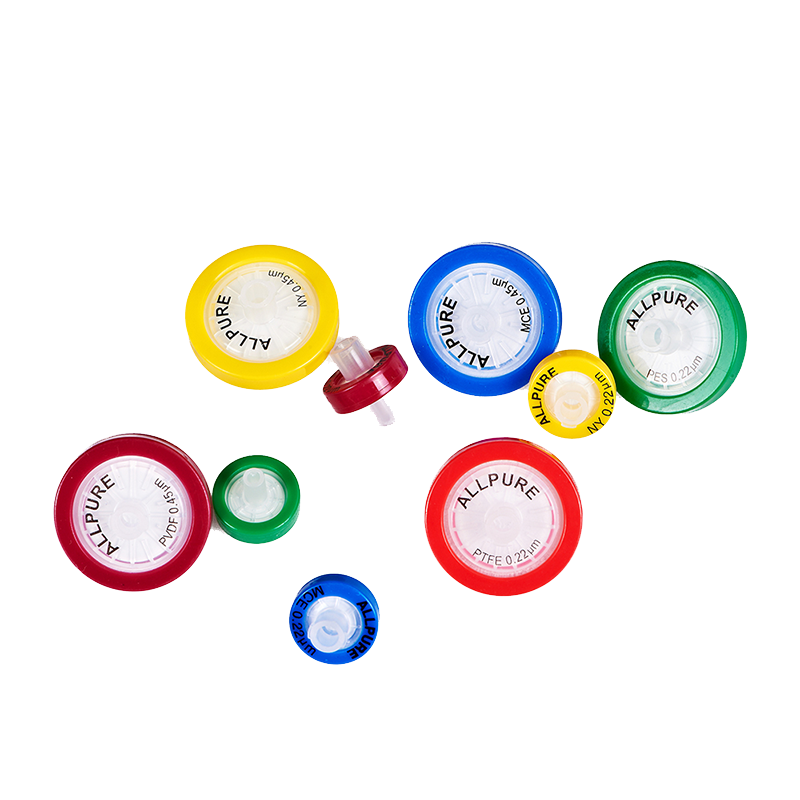
How Do Syringe Filters Work?
Syringe filters operate by allowing liquids or gases to pass through a filter membrane with tiny pores that trap contaminants. The filter membrane is commonly made of materials such as Nylon, PTFE (Polytetrafluoroethylene), PVDF (Polyvinylidene Fluoride), and Cellulose Acetate, each chosen for its compatibility with specific chemical or physical properties of the sample being filtered.
The pore size of the filter membrane determines the type of contaminants removed. For instance, a 0.2-micron syringe filter is used for bacterial filtration, while a 0.45-micron filter is generally used for general particulate removal.
Key Features of Syringe Filters
High Filtration Efficiency: Syringe filters are designed to effectively remove fine particles, bacteria, and other contaminants, ensuring cleaner samples with minimal resistance to flow.
User-Friendly Design: Simple to attach to syringes, these filters provide a hassle-free solution for filtering liquids or gases without complex setup.
Variety of Membrane Materials: Available in various materials such as Nylon, PTFE, and PVDF, syringe filters are customizable based on the chemical and temperature needs of your application.
Disposable and Cost-Effective: Most syringe filters are disposable, reducing the need for cleaning and maintenance, which also makes them cost-effective in high-throughput environments.
Compact and Portable: Small and lightweight, syringe filters are easy to transport and store in laboratories or field settings.
Applications of Syringe Filters
Laboratory Filtration: In scientific research, syringe filters are essential for filtering biological and chemical samples before testing or analysis to prevent contamination.
Sterilization of Solutions: Syringe filters are widely used in the pharmaceutical and healthcare industries for sterilizing solutions, including IV fluids, vaccines, and injectables.
Environmental Testing: Used to filter water and air samples, syringe filters ensure the absence of harmful microorganisms or particulate contamination.
Food and Beverage Industry: Syringe filters are used to sterilize liquids such as juices, wines, and edible oils to maintain product purity during production and packaging.
HPLC Sample Preparation: Syringe filters are frequently used in High-Performance Liquid Chromatography (HPLC) to remove particulates from samples before injection into the chromatograph, improving analytical accuracy.
How to Choose the Right Syringe Filter
Pore Size: Pore size determines the contaminants the filter will capture. For bacterial removal, choose filters with a pore size of 0.2 microns. For general particulate removal, 0.45 microns is commonly used.
Membrane Material: The membrane material should be selected based on the sample’s chemical compatibility. PTFE is ideal for aggressive solvents, while Nylon works well for aqueous solutions.
Filter Diameter: Syringe filters come in a variety of diameters, with the most common sizes being 13mm, 25mm, and 30mm. Ensure the diameter matches the syringe you're using.
Filtration Capacity: The volume of liquid to be filtered is an important consideration. Select a syringe filter with the appropriate filtration capacity for your application.
Sterility: For applications in the medical or pharmaceutical fields, choose sterilized syringe filters to prevent contamination.
Maintenance and Care of Syringe Filters
Single Use: Syringe filters are typically single-use. Avoid reusing them to ensure accurate results and avoid cross-contamination.
Avoid Excessive Pressure: When using a syringe filter, avoid applying too much pressure. Excessive pressure can damage the filter membrane and compromise its effectiveness.
Proper Storage: Store syringe filters in a clean, dry, and cool environment to prevent damage and ensure optimal performance.
Inspect for Damage: Before use, always check the syringe filter for any visible signs of damage that could impact the filtration process.
Common Issues and Troubleshooting Tips for Syringe Filters
Clogging: If the syringe filter clogs, it could be due to an excess of particles in the sample. Try using a larger pore size or pre-filter the sample.
Slow Filtration Rate: A slow filtration rate can occur due to a very small pore size or high sample viscosity. In such cases, opt for a filter with a larger pore size or dilute the sample.
Tearing or Rupturing: If the membrane tears, it may be due to excessive pressure. Ensure you are following the recommended pressure guidelines for the filter.
Conclusion
Syringe filters are indispensable tools for ensuring the purity of liquids and gases in laboratory, medical, and industrial applications. Their easy-to-use design, high efficiency, and disposable nature make them an ideal choice for filtering samples before analysis or injection.
At Membrane Solutions, we provide a wide range of high-quality syringe filters designed to meet the needs of various industries. Whether you require sterile filters for pharmaceuticals or specialized membranes for chemical analysis, we have the right solution for you. Contact us today to learn more about our syringe filter products and find the perfect fit for your needs.