
RO System Water: Everything You Need to Know About Reverse Osmosis Water Filtration
2024-12-25
MS
13
RO System Water: Everything You Need to Know About Reverse Osmosis Water Filtration
In today’s world, clean and pure water is essential for both health and everyday life. Whether it's for drinking, cooking, or industrial applications, water quality plays a pivotal role in maintaining health standards and ensuring the proper functioning of equipment. One of the most effective ways to ensure water purity is by using a Reverse Osmosis (RO) System. In this blog post, we will explore how RO systems work, their benefits, applications, and why RO system water is considered one of the most reliable sources of clean water.
What is an RO System?
An RO system is a water filtration process that removes contaminants from water by using a semi-permeable membrane. The process of reverse osmosis involves applying pressure to force water through the membrane, which allows only water molecules to pass through while rejecting larger particles, bacteria, and other impurities. This process ensures that the water is purified and free from harmful substances.
The RO system typically consists of several stages:
- Pre-filtration: Removes larger particles and sediments.
- Carbon filtration: Removes chlorine, chloramines, and other organic chemicals.
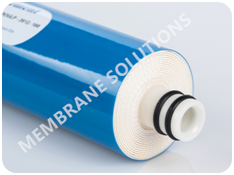
- Reverse Osmosis Membrane: The heart of the system, it filters out dissolved solids, metals, and other microscopic contaminants.
- Post-filtration: A final stage to ensure any remaining impurities are removed, making the water taste better and safer.
Why RO System Water is Important for Purity
RO system water is highly regarded for its purity. Here’s why:
Removes Contaminants
Reverse osmosis systems are effective at removing a wide variety of contaminants that are commonly found in municipal water supplies, including dissolved solids, heavy metals (such as lead, mercury, and arsenic), chlorine, fluoride, pesticides, and even some microorganisms like bacteria and viruses. This makes RO system water one of the cleanest and safest water options available.
Improves Taste and Odor
By removing chlorine and other organic compounds, RO water has a much better taste and odor compared to unfiltered tap water. It’s particularly popular for drinking, cooking, and preparing beverages like coffee and tea, where water quality directly affects taste.
Health Benefits
Drinking RO system water provides numerous health benefits. It helps to avoid the ingestion of harmful substances, such as lead or mercury, which can be found in water sources and have detrimental effects on health. Additionally, reverse osmosis helps reduce the intake of sodium and chlorine, which are often present in treated water.
Eco-friendly
By investing in an RO water filtration system, households and businesses can reduce their reliance on bottled water, which helps decrease plastic waste and promotes a more sustainable environment. RO systems provide an ongoing solution to water purification, making it a long-term eco-friendly choice.
How Does an RO System Work?
Reverse osmosis is a natural process that occurs when water flows through a semi-permeable membrane, which only allows the passage of water molecules while blocking larger molecules and contaminants. Here’s how it works in detail:
Pressure Application
To push water through the semi-permeable membrane, pressure is applied to the water. This is the “reverse” in reverse osmosis, as naturally, water would flow from areas of low solute concentration to high concentration. In reverse osmosis, pressure is applied to reverse this natural flow.
Filtration Process
As the pressurized water moves through the membrane, contaminants larger than water molecules, including salts, bacteria, viruses, and organic compounds, are rejected and flushed away, typically into a separate drain.
Purified Water
The clean water, which has passed through the membrane, is collected and stored for use. The final water output is highly purified, with up to 99% of contaminants removed.
Benefits of Using an RO System for Water Filtration
Here are some key reasons why you should consider using an RO system for water filtration:
High-Quality Water for Drinking
With RO filtration, you get water that is free from harmful substances like lead, fluoride, chlorine, nitrates, and other heavy metals. This results in purer drinking water, making it safe and healthy to consume.
Improved Water for Appliances
Many home appliances and systems, such as coffee machines, humidifiers, and aquariums, work better when using purified water. By removing dissolved minerals, RO water helps extend the lifespan of these appliances and ensures they function more efficiently.
Cost-Effective in the Long Run
While the initial investment in an RO system may seem high, it is a cost-effective option in the long run. It eliminates the need for bottled water, which can add up significantly over time, and provides clean, filtered water directly from your tap.
Reduces the Risk of Waterborne Diseases
By removing microorganisms such as bacteria, viruses, and protozoa, RO water helps reduce the risk of waterborne illnesses, making it safer to drink, cook with, and use for hygiene purposes.
Convenient and Easy to Maintain
Once installed, an RO system requires minimal maintenance, with regular filter changes being the main upkeep. This makes it a convenient solution for households and businesses that want access to clean water without the hassle of manual filtration methods.
Applications of RO System Water
RO system water has a wide range of applications across both residential and commercial settings:
- Residential Use: For drinking water, cooking, making beverages, and even in aquariums where pure water quality is critical for the health of aquatic life.
- Food and Beverage Industry: RO water is used in the production of food products, ensuring purity and enhancing the taste of beverages like coffee, tea, and soft drinks.
- Healthcare Facilities: Hospitals and clinics rely on RO water for medical equipment cleaning, sterilization, and patient care, where water quality is vital to prevent infections.
- Industrial Use: In industries such as pharmaceuticals, electronics, and cosmetics, RO purified water is essential in processes where contaminants can lead to product contamination or failure.
Common Misconceptions About RO Water
Despite its many advantages, there are a few common misconceptions about RO system water:
RO Water Is "Too Pure"
Some people believe that RO water is "too pure" and lacking essential minerals. While it’s true that RO systems remove minerals like calcium and magnesium, most people can obtain these minerals through their diet. Some RO systems even include a remineralization filter to add beneficial minerals back into the water.
RO Systems Are Expensive
While the upfront cost of an RO system can be higher than some other filtration methods, it is a one-time investment that will save you money over time, especially by reducing your need for bottled water.
Conclusion: Why Choose RO System Water for Your Home or Business
RO system water is one of the most reliable and effective ways to ensure access to clean, purified water. With its ability to remove harmful contaminants, improve taste, and offer significant health benefits, an RO water filtration system is a smart choice for households and businesses alike. Whether you need high-quality drinking water, or you’re seeking to improve the performance of appliances and equipment, reverse osmosis offers a sustainable and cost-effective solution for long-term water purification.
If you’re considering investing in an RO system, be sure to choose high-quality products that meet your specific needs. At Membrane Solutions, we offer a range of advanced reverse osmosis systems that provide reliable and pure water filtration. Contact us today to learn more about our products and how they can benefit your home or business.